
A Beginner's Guide to Tuscany's Main Wine Areas

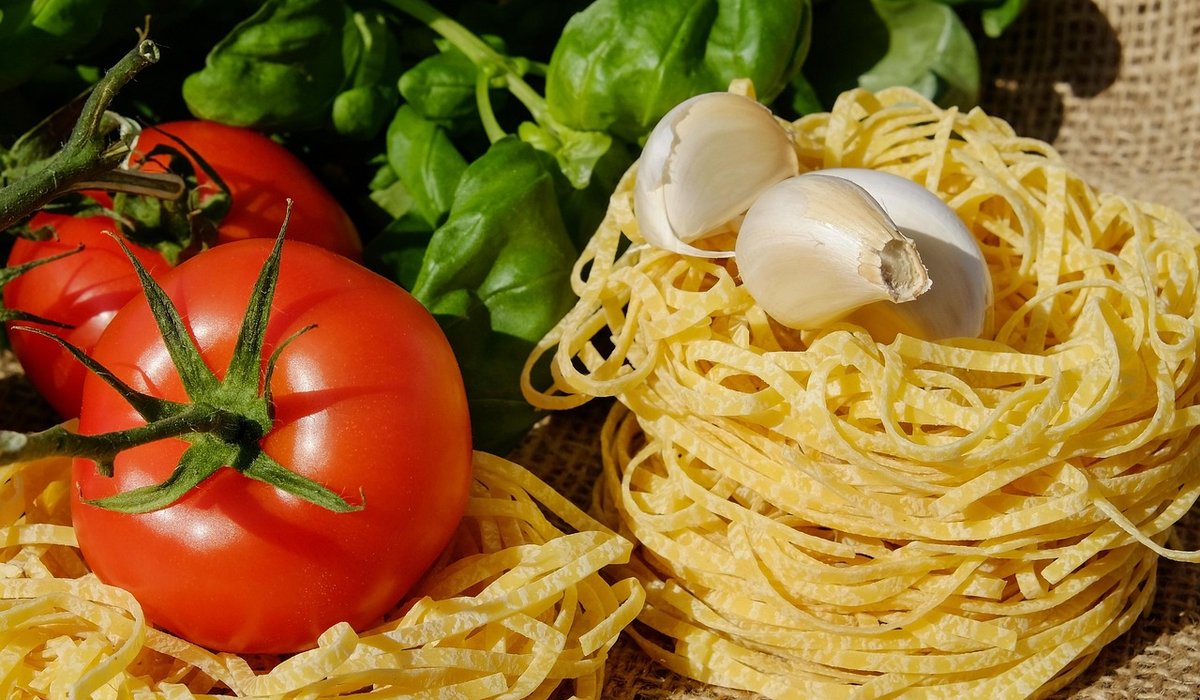
Chianti and Chianti Classico: the Sangiovese heartland
Chianti is the first Tuscan name most of us meet, but it covers two quite different things. The wider Chianti DOCG sprawls across central Tuscany, while Chianti Classico DOCG is the smaller, hillier zone between Florence and Siena, recognisable by the black cockerel on the neck label. Both are built on Sangiovese, a grape that delivers high acidity, firm tannins and flavours of sour cherry, dried herbs and dusty earth.
Inside Classico, the villages of Radda, Gaiole, Castellina and Greve each give a slightly different accent. Riserva wines must age for at least 24 months, including three in bottle, while Gran Selezione is the top tier, made from estate-grown fruit and aged for 30 months. Small additions of native grapes such as Canaiolo and Colorino are allowed in Classico; the wider Chianti zone permits a broader blend. Serve at 16–18°C and decant young bottles for an hour.
Montalcino and Montepulciano: structured Sangiovese built to age
South of Siena, Montalcino makes Brunello di Montalcino, a 100% Sangiovese Grosso wine aged for at least two years in oak and four months in bottle before release in the fifth year after harvest. It is powerful, savoury and slow to open: think dried cherry, leather, balsamic notes and fine, chalky tannins. Rosso di Montalcino, from the same grape and often the same estates, is released much younger and offers far better value for weeknight drinking.
East of Montalcino, the hill town of Montepulciano gives us Vino Nobile di Montepulciano, based on the local Prugnolo Gentile clone of Sangiovese and usually blended with Canaiolo and Mammolo. It sits somewhere between Chianti Classico and Brunello in weight. Decant both categories when young and serve at 17–18°C.
Bolgheri and the Maremma: Tuscany's coastal, Bordeaux-inspired side
The Tuscan coast is a different world. Around Bolgheri, gravelly, sandy soils and sea breezes ripen Cabernet Sauvignon, Merlot, Cabernet Franc, Syrah and Petit Verdot — the basis of the so-called Super Tuscans. Wines labelled Bolgheri DOC may be blends or single varieties; the best have ripe blackcurrant fruit, cedar and a saline freshness.
Further south, the Maremma produces Morellino di Scansano, a Sangiovese-based red that is juicier and more generous than its inland cousins. The coast is also home to Vermentino, a crisp white with lemon, green almond and a distinctly saline finish that suits shellfish perfectly. Serve coastal reds at 16–18°C and Vermentino well chilled at 8–10°C.
San Gimignano, Carmignano and other pockets worth knowing
Tuscany is not only red. Vernaccia di San Gimignano, the region's best-known white, is made from the Vernaccia grape and ranges from lean, steely styles to richer, oak-aged versions with almond and citrus peel notes. North-west of Florence, Carmignano has a long tradition of blending Sangiovese with Cabernet, and the cooler Chianti Rufina sub-zone gives a fresher, more elegant take on Sangiovese. Cortona and the Val d'Orcia are also producing increasingly interesting wines.
Matching Tuscan wines with food
The general rule is simple: Sangiovese loves tomato, olive oil, herbs and hard cheese, while coastal reds and whites prefer richer, more savoury plates. A few reliable pairings:
- Chianti Classico — ribollita, pappa al pomodoro, roast pork, pecorino fresco.
- Rosso di Montalcino — pizza, ragù, cured meats, simple pasta with olive oil and garlic.
- Brunello di Montalcino — bistecca alla fiorentina, wild boar ragù, mature pecorino.
- Bolgheri reds — roast beef, lamb, mushroom risotto, aged cheeses.
- Vernaccia and Vermentino — seafood, fried vegetables, goat's cheese, light antipasti.
Avoid serving these wines too warm. A summer kitchen can push a red towards 25°C, which makes the alcohol dominate and the fruit taste dull. Twenty minutes in the fridge before serving does no harm at all.
Planning a vineyard trip from the UK
Florence, Pisa and Bologna are the most useful arrival airports, with Pisa often the cheapest from regional UK airports. A hire car gives you the most freedom, but remember the ZTL restricted traffic zones in every historic town centre: fines arrive months later. Nominate a driver and spit at tastings rather than swallowing everything.
Book visits in advance, especially at Brunello and Bolgheri estates, which often see only small groups by appointment. Spring and early autumn are the sweet spots; late September brings harvest activity and cooler evenings. Many estates charge for tastings, typically £15–£40 per person and sometimes refundable against a purchase. Tasting rooms usually close for lunch, roughly 12.30–15.00, and many shut on Sundays.
If you fall for a case, ask the estate about shipping. A reputable shipper will handle the paperwork, but expect UK duty, VAT and a handling fee on arrival. Alternatively, your personal allowance covers 18 litres of still wine per adult, which is a generous two dozen bottles. Buy from producers you have actually tasted, keep a note of vintage and vineyard, and you will build a far more interesting cellar than any supermarket shelf can offer.

Joeby Ragpa
This template is so awesome. I didn’t expect so many features inside. E-commerce pages are very useful, you can launch your online store in few seconds. I will rate 5 stars.
ReplyAlexander Samokhin
This template is so awesome. I didn’t expect so many features inside. E-commerce pages are very useful, you can launch your online store in few seconds. I will rate 5 stars.
ReplyChris Root
This template is so awesome. I didn’t expect so many features inside. E-commerce pages are very useful, you can launch your online store in few seconds. I will rate 5 stars.
Reply