
Matching Chianti with Traditional Tuscan Dishes

Why Sangiovese Belongs at the Tuscan Table
Chianti has a reputation problem in Britain, and it comes from the straw-clad bottles of the 1970s. Forget those. A good Chianti is one of the most food-friendly reds you can put on a table, and the reason is the grape itself. Sangiovese ripens late and keeps its acidity, the thing that makes a wine taste refreshing rather than heavy. That acidity also gives the wine its talent for cutting through fat.
Think about what Tuscans actually eat: olive oil, cured pork, sheep's cheese, roast meat, tomatoes, beans, day-old bread. Rich, salty, savoury, often fatty cooking. Chianti's sour-cherry fruit, its herbal, dusty edge and its firm tannin are not incidental. They grew up alongside that food. The wine lifts the fat, the food softens the tannin, and both taste better for the company. Match a Chianti to the region's cooking and you rarely go wrong.
A Quick Guide to Chianti Labels
British supermarket shelves can be confusing, so here is a practical shorthand.
- Chianti DOCG — the wider zone, covering hills around Florence, Siena, Arezzo and Pisa. Lighter, juicier, often good value. Drink young.
- Chianti Classico DOCG — the historic heartland between Florence and Siena, marked by the black rooster on the neck. Fuller, more structured, more savoury. This is where the serious bottles come from.
- Superiore — a step up in alcohol and ageing. Requires longer maturation and slightly higher strength. A useful middle ground.
- Riserva — at least two years' ageing, giving darker fruit, leather and dried herbs. These take richer food and reward a decant.
For a Tuesday night with tomato pasta, buy the cheapest decent annata you can find. For a Sunday roast, spend more and buy Classico Riserva. Recent vintages worth seeking out include 2016, 2019 and 2021.
Pairings That Work Without Fuss
You do not need a chef's imagination. These are the matches Tuscans make every week.
- Bistecca alla Fiorentina — a thick T-bone grilled over coals, salted, rested, sliced. Needs a Classico Riserva with a few years on it. The tannin and the charred fat are made for each other.
- Pappardelle al cinghiale — wild boar ragù, slow-cooked with wine and juniper. Rich and gamey, so pour something with a savoury, earthy edge. A Riserva from Radda or Gaiole works beautifully.
- Ribollita — the great Tuscan bread and bean soup. Humble, thick and faintly bitter from cavolo nero. A young, bright Chianti is far better here than anything grand.
- Pecorino Toscano and finocchiona — sheep's cheese and fennel salami. Acid cuts salt, so a fresh, chilled-down Chianti makes an excellent aperitivo.
- Crostini neri — chicken liver pâté on toast, the classic start to a Tuscan meal. The wine's acidity scrubs the richness clean off your palate.
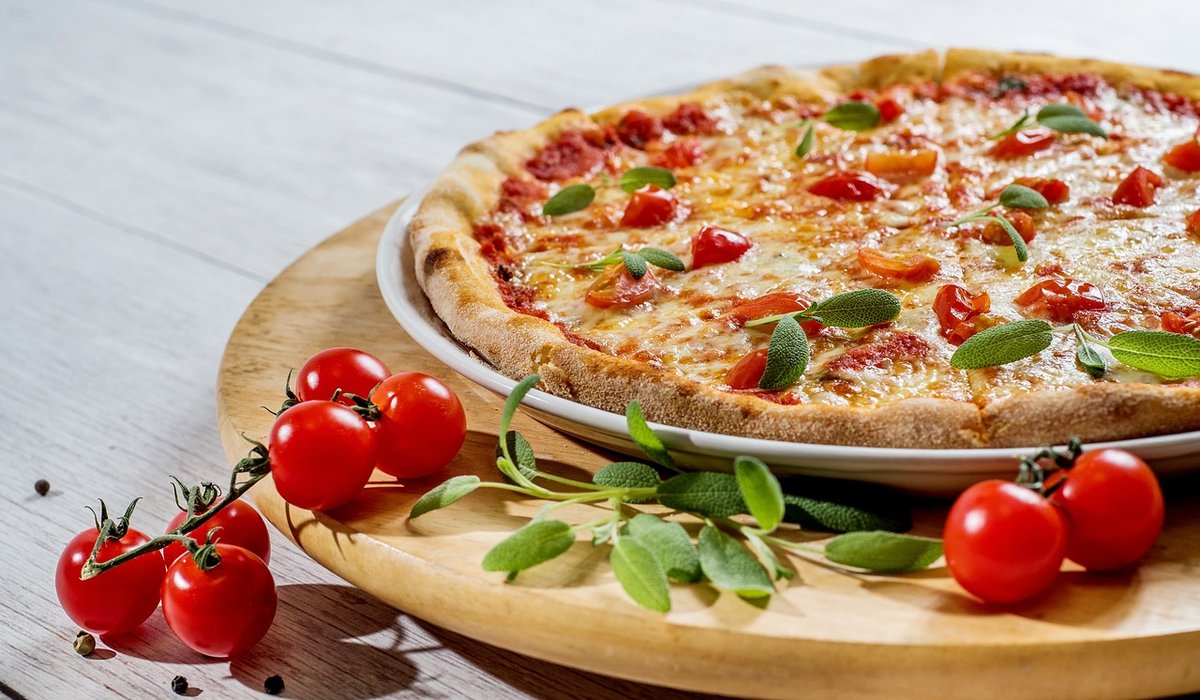
- Pizza and tomato-based pasta — the high acidity handles tomatoes better than most reds. Keep it simple and young.
Two things to avoid: oily fish, which turns metallic against Sangiovese's tannin, and artichokes, which contain a compound that makes almost any wine taste sweet and hollow. If artichokes are on the menu, drink water.
Serving It Properly
Chianti is often served too warm and in glasses too small. Aim for 16 to 18°C for a Classico, and a degree or two cooler for a young bottle — twenty minutes in the fridge on a warm day is not madness. A large, tulip-shaped glass gives the wine room to breathe; a Burgundy bowl is ideal.
Riservas benefit from decanting, and not only for sediment. Thirty minutes in a jug will soften the tannin noticeably. Once opened, a young Chianti holds well for two or three days if you stopper it and keep it cool; older bottles fade faster, so finish them.
Planning a Vineyard Trip from the UK
The Chianti Classico zone sits between Florence and Siena, and it is easy to reach. Flights from Gatwick, Heathrow, Manchester and Edinburgh land at Florence or Pisa in around two hours. Pisa is often cheaper and the train down to Florence takes about an hour. From Florence, hire a car — you will need one — and follow the SR222, the Chiantigiana, south towards Siena.
The main tasting towns are Greve in Chianti, Panzano, Castellina, Radda, Gaiole and Castelnuovo Berardenga. Base yourself in one of them and you can visit three or four estates a day without rushing. Book tastings by email a week or two ahead; many small family estates open by appointment only and shut on Sundays. Expect to pay a modest fee at the better-known addresses, usually waived against a purchase.
Late September and October are the best months — harvest, warm days, cool evenings and far fewer people than August. May and June are lovely too. Take a spit bucket seriously, appoint a driver, and remember that Florence and Siena operate restricted traffic zones where a wrong turn earns a hefty fine weeks later.
Buy a bottle at the cellar door, take it home, and cook something Tuscan with it. That, more than any tasting note, is how you learn what Chianti is for.

Joeby Ragpa
This template is so awesome. I didn’t expect so many features inside. E-commerce pages are very useful, you can launch your online store in few seconds. I will rate 5 stars.
ReplyAlexander Samokhin
This template is so awesome. I didn’t expect so many features inside. E-commerce pages are very useful, you can launch your online store in few seconds. I will rate 5 stars.
ReplyChris Root
This template is so awesome. I didn’t expect so many features inside. E-commerce pages are very useful, you can launch your online store in few seconds. I will rate 5 stars.
Reply