
Understanding Sangiovese: Italy's Most Planted Red Grape

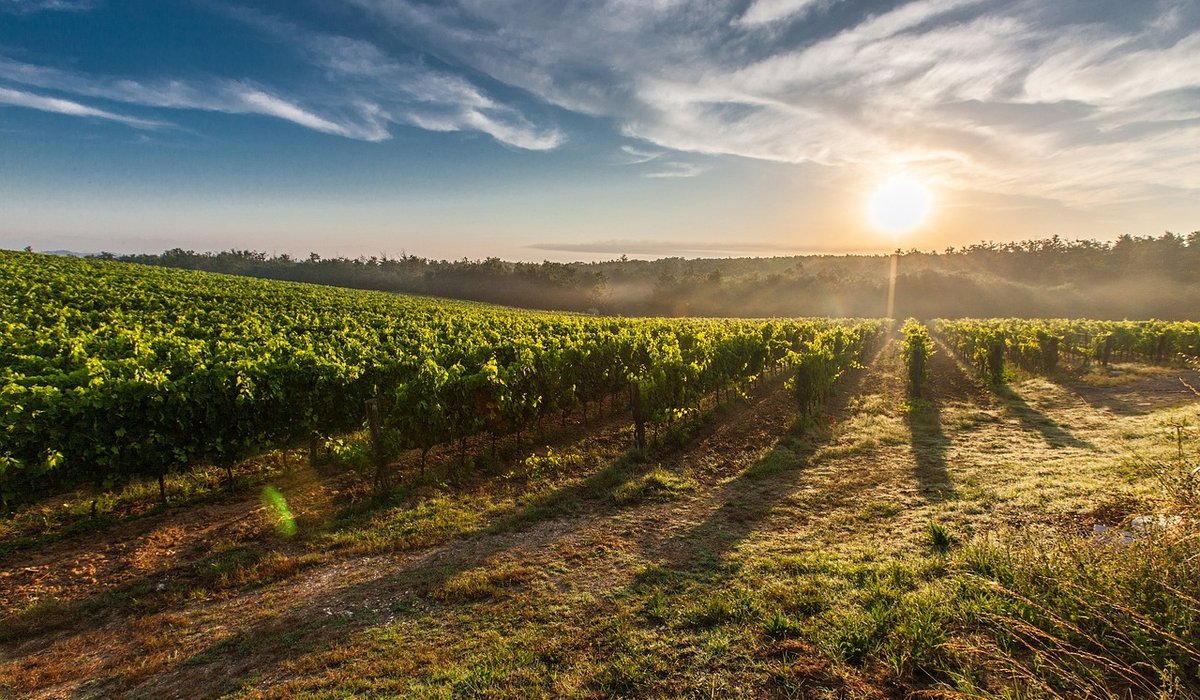
Why Sangiovese Deserves Your Attention
Sangiovese is the most planted red grape in Italy, and yet it remains one of the most misunderstood. Ask a room of UK drinkers to describe it and you will hear "Chianti" and not much else. That is a shame, because the grape covers a remarkable range: from bright, cherry-scented bottles you can chill slightly and drink with a plate of pasta, to brooding, structured wines that reward a decade in the cellar.
The reason for that range is simple. Sangiovese is highly responsive to where it grows and how it is handled. Change the altitude, the soil, the picking date or the barrel, and you change the wine. Understanding those variables is the quickest way to drink better and spend more wisely.
The Grape Behind the Wine
Sangiovese has thin skins and ripens late, which makes it a nervous variety to farm. Thin skins mean less colour and less tannin extracted easily, but also more vulnerability to rot in a wet autumn — a real concern in a marginal vintage. It keeps unusually high acidity even when fully ripe, and that acidity is the engine of its food-friendliness.
Flavour-wise, think sour cherry and red plum, dried herbs, violet, and a distinctive earthy, tea-leaf note that emerges with bottle age. Young examples can taste lean and slightly rustic; well-made ones are savoury and appetite-sharpening. Look for these markers on the label:
- Sangiovese alone — usually a varietal wine from Romagna or a super-Tuscan blend.
- Sangiovese Grosso — the larger-berried clone behind Brunello di Montalcino.
- Prugnolo Gentile — Montepulciano's local name for the grape.
- Morellino — the name used around Scansano in Maremma.
How Region Shapes the Bottle
Tuscany is the heartland, and the differences between its zones are worth knowing. Chianti Classico, from the hills between Florence and Siena, gives the benchmark: firm tannin, high acid, cherry and earth. Within it, cooler, higher sites such as Radda and Gaiole produce tighter, more mineral wines, while warmer spots give fleshier fruit.
Brunello di Montalcino is Sangiovese at its most powerful — warmer, drier hills, longer ageing, wines that can be austere for five years before opening up. Vino Nobile di Montepulciano sits between the two in weight, often with a plummy, spicy edge.
Head towards the coast and Maremma delivers softer, sunnier Sangiovese, often blended with a little Cabernet or Syrah. In Romagna, on the Adriatic side, the grape makes juicier, more immediately drinkable wines with less tannin and a herbal lift. Traditionally, Tuscan growers softened Sangiovese with Canaiolo and Colorino; since the 1970s, many have used Bordeaux varieties instead.
What Happens in the Winery
Winemaking choices explain as much as geography. Large old oak casks, known as botti, let the fruit speak and keep tannins fine — the classic Chianti approach. Small new French barriques add vanilla, spice and a polished texture, but overdo it and the cherry character disappears behind a wall of toast. If you dislike heavy oak, look for terms such as "aged in botti grandi" or "concrete".
Technique matters too. Whole-bunch fermentation adds stemmy fragrance and structure. Drying a portion of the grapes, as with governo, gives rounder, sweeter fruit and softer tannin. Extended maceration extracts more colour and grip. None of this is inherently better — it is a style decision, and the best way to learn your preference is to taste two examples from the same vintage side by side.
Pairing Sangiovese With British Plates
This is a wine built for the table. Its acidity cuts through fat and its savoury edges flatter tomato, herbs and cured meat in a way few other reds manage.
- Tomato-based pasta and pizza — the classic match, especially with a young Chianti or Romagna Sangiovese.
- Roast lamb with rosemary — a Chianti Classico or Rosso di Montalcino handles this beautifully.
- Steak, burgers and grilled sausages — a firmer Brunello or Maremma blend stands up to char.
- Hard sheep's cheeses — Pecorino, or a mature Cheddar at a push.
- Mushroom risotto, aubergine bakes, lentil dishes — the earthy notes in the wine echo the savoury depth of the food.
Serve at 16–18°C, which in a British kitchen usually means half an hour in the fridge on a warm day. Young, juicy bottles benefit from a light chill; structured wines open up with an hour in a decanter.
Planning a Vineyard Trip
Tuscany is easy from the UK. Fly to Pisa, Florence or Bologna, hire a car, and base yourself in a hill town for three or four nights. Greve in Chianti, Radda and Panzano are well placed for Chianti Classico; Montalcino and Montepulciano are an hour or so further south.
Book cellar visits ahead, especially for smaller estates, and plan no more than two or three a day. Spit at tastings if you are driving — Italian limits are strict. May, June, late September and October are the sweet spots: warm enough for terraces, cool enough for walking, and far quieter than August. Many estates will ship cases home for you, which is often simpler than cramming bottles into hand luggage.

Joeby Ragpa
This template is so awesome. I didn’t expect so many features inside. E-commerce pages are very useful, you can launch your online store in few seconds. I will rate 5 stars.
ReplyAlexander Samokhin
This template is so awesome. I didn’t expect so many features inside. E-commerce pages are very useful, you can launch your online store in few seconds. I will rate 5 stars.
ReplyChris Root
This template is so awesome. I didn’t expect so many features inside. E-commerce pages are very useful, you can launch your online store in few seconds. I will rate 5 stars.
Reply